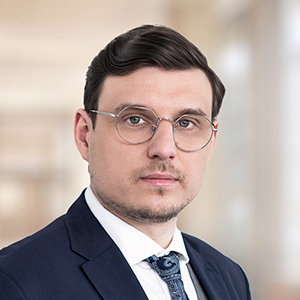


“Poznań combines stable demand with the largest volume of office space under construction among regional markets, which supports expectations of increased supply activity in the coming years. In the short term, however, tenants are likely to remain focused on space optimisation and lease renegotiations,” comments Mateusz Jakubowicz, Associate, Savills Poland.
Tenant activity remained robust throughout the year. In 2025, total take-up reached 71,800 sq m, representing an 8% year-on-year increase and exceeding the average levels recorded in previous years. The majority of transactions were concluded in central locations, accounting for more than half of the total leased space. At the same time, the share of renegotiations increased significantly, accounting for 53% of all lease agreements, reflecting a cautious approach by occupiers towards relocation and expansion. The average size of new lease transactions declined to 600 sq m, indicating continued space optimisation strategies.
At year-end, the vacancy rate stood at 13.9%, corresponding to approximately 94,000 sq m of available office space. The highest availability was recorded in the western part of the city, while the lowest vacancy levels were observed in the northern and southern zones. Notably, newer, well-located buildings continue to outperform, maintaining relatively low levels of vacant space.
“High-quality assets in central locations retain their competitive advantage, while limited new supply supports rental stability and selective rental growth in prime schemes,” adds Mateusz Jakubowicz.
Prime rents in modern Class A buildings remain stable at EUR 14–17 per sq m/month, although upward pressure may emerge in the coming quarters within the best-performing projects, driven by rising fit-out costs and limited availability of new space.
Looking ahead, Poznań’s office market is expected to operate in an environment of constrained supply and increasing tenant selectivity. The delivery of larger schemes in the coming years may enhance occupier mobility and stimulate transactional activity. In the short term, however, renegotiations, efficient space utilisation and demand concentration in prime locations are likely to remain the dominant market drivers.